


I’ve devoted years guiding operators and players on the workings of online gaming regulation, and I can say with certainty that nothing matters more than a adequately empowered gambling commission https://spinline-au.win/legal-and-affiliates/. When Spinline Casino built its compliance framework for Australian members, we initiated by making sure every operational tier lined up with what a strong licensing body requires. These commissions don’t represent distant bureaucracies. They’re the cause a punter can put money in knowing the games are fair, personal data is encrypted, and payouts will arrive without interference. The commission’s work covers applicant vetting, continuous monitoring, financial auditing, and dispute resolution. In Australia, where the Interactive Gambling Act establishes a strict perimeter, savvy players search for offshore licences backed by commissions that implement real consequences. I’ll walk you through exactly how these entities work, why their structure is important for your safety, and how Spinline Casino incorporates that protection into every session.
The Fundamental Purpose of a Gambling Commission
When I examine a commission’s founding statute, I always focus first at its core mandate, because that single paragraph defines the entire regulatory philosophy. A gambling commission operates to achieve three interlocking objectives: preventing criminality in gaming, protecting vulnerable individuals, and ensuring every game outcome is genuinely random. In mature jurisdictions like Malta, Gibraltar, or the Isle of Man, the mandate is codified into law, giving commissioners the right to suspend licences, impose six-figure fines, and refer criminal conduct directly to police forces. These powers are not ornamental. I’ve seen a commission freeze an operator’s entire payment processing capability within four hours of detecting a serious AML breach. For Australian players, a licence from such a commission implies the provider can’t unilaterally change terms, manipulate return-to-player percentages, or delay withdrawals without facing immediate regulatory scrutiny. Spinline Casino deliberately chose a licensing jurisdiction where the commission’s mandate aligns with these principles. We refused to settle for a paper tiger regulator.
What astonishes many first-time operators is that a commission’s mandate reaches well beyond punishing misconduct. The proactive side includes setting technical standards for random number generators, certifying testing laboratories, and defining what counts as a responsible inducement in advertising. When I advise on affiliate onboarding, I depend heavily on those advertising standards. A commission that permits aggressive “risk-free” language inadvertently promotes consumer harm. A strict commission forces partners to frame bonuses honestly. That’s why I assert that any brand I work with, including Spinline Casino, harmonizes its affiliate programme with the commission’s advertising code. The mandate also addresses land-based and digital convergence, so a poker machine in a Sydney pub, if regulated by the same body, would face identical fairness testing as an online slot. In our context, the commission operating as a single source of truth blocks the fragmentation that bad actors exploit.
Licensing Procedures and Fit-for-Purpose Assessments
I often liken a gambling commission’s licensing procedure to a forensic audit coupled with a background check that would make a government security clearance look cursory. The applicant must submit a business plan, software architecture diagrams, source-of-wealth declarations for every beneficial owner, and independent test reports for each game category. I’ve personally steered businesses through processes where the commission rejected a payment provider simply because its ultimate parent operated in a jurisdiction with an opaque corporate registry. A thorough commission doesn’t just approve incorporation documents at face value. It questions key personnel, demands police clearance certificates, and will occasionally send investigators to verify a physical office address. For Australian users selecting an offshore venue, I recommend looking for a licence number displayed at the bottom of the homepage and verifying it on the commission’s public register. Spinline Casino puts that number where it’s immediately visible, because transparency during licensing builds long-term trust.
The fit-for-purpose assessment then delves into operational readiness. The commission examines the segregation of player funds, meaning your deposits must sit in a protected client account that is legally ring-fenced from the company’s operating capital. I’ve seen licence applications fail because the operator proposed commingling marketing spend with player balances. That’s exactly the sort of corner-cutting a credible commission eliminates. The application also demands full disclosure of all software providers and their own certifications, because a commission can’t vouch for game integrity if the underlying RNG has never been tested by an accredited lab like eCOGRA or iTech Labs, both familiar names in Australia’s pokies testing ecosystem. When I evaluate Spinline Casino’s licensing profile, I observe that every step, from the initial capital adequacy test to the final executive interview, was completed without a single waiver. That tells me the commission found no shortcuts worth flagging.
The Purpose of the Commission in Protecting Players
Player protection is the heartbeat of any reputable gambling commission, and I don’t allow an operator forget that. The commission enforces deposit limits, cool-off periods, and self-exclusion registers that are required to work across all brands under the identical licence umbrella. In Australia, where GambleAware and state-based exclusion programmes are available, the offshore commission assumes a parallel role by requiring operators to deliver equivalent tools. I’ve created responsible gambling interfaces that trigger a mandatory 24-hour break when a single deposit exceeds a pre-set threshold, all because the commission’s code stipulated an automatic intervention rather than a passive link to a help page. A commission that simply collects an annual fee and provides a PDF certificate provides no real protection. A genuine authority carries out mystery-shopping exercises, verifies that self-exclusion is permanent and irreversible, and inspects whether support staff are prepared to identify distress language.
Beyond the digital tools, the commission functions as the final adjudicator in disagreements between players and operators. When a player believes a withdrawal was unfairly voided due to a vague bonus term, they may escalate to the commission’s Alternative Dispute Resolution body at no cost. I’ve sat in on ADR hearings where the commission’s adjudicator sliced through dense terms and ruled that a clause was unreasonable under consumer protection law, requiring a full refund plus interest. This layer of independent recourse is a feature https://www.skysports.com/nfl/news/12118/11884737/super-bowl-challenge-register-and-pick-your-bracket-for-the-nfl-playoffs no internal support team can replicate. For the Australian audience, grasping this path counts because the physical distance to an offshore operator can appear disempowering. The commission bridges that gap by wielding jurisdictional authority over the operator’s licence. Spinline Casino’s internal dispute policy specifically references the commission’s ADR platform on the same page, a sign that the process is not hidden in fine print.
Compliance Reviews and Enforcement Powers
I’ve discovered that the gap between a commission that gets ignored and one that gets adhered to lies in its enforcement architecture. Annual compliance audits aren’t a polite request. They’re a prerequisite of retaining the licence, and a commission can dispatch forensic accountants with zero notice. I recollect a case where an operator’s audit revealed a single misconfigured game server that drifted the RTP by 0.7 per cent over six months’ time. The commission directed the operator to repay every affected bet, post the error on its website, and submit to quarterly technical checks for the next two years’ time. That kind of granular regulation is what I want to witness when I recommend a platform to Australian users. The commission’s arsenal normally features graduated sanctions: a formal caution for a minor breach, a monetary sanction for a systemic deficiency, and licence suspension or revocation for deliberate fraud or repeated non-compliance.
What often startles people outside the industry is that a commission can and does revoke licences from household-name operators if the facts warrants it. I’ve followed enforcement reports where commissioners transparently specified the exact clause breached, the remediation required, and the deadline set, leaving no space for spin. These publications perform a dual function: they punish the operator through reputational injury and they educate the wider industry about where the line is established. For affiliate associates, this is critical information. An affiliate scheme tied to a licence that is under review risks having its commissions frozen overnight. That’s why I coach Spinline Casino’s affiliate staff to watch the commission’s public announcements proactively. When the enforcement wing is strong, the affiliates marketing the brand can with certainty state that the operator functions under continuous monitoring, not periodic goodwill acts. The Australian customer benefits because a disciplined provider is far less inclined to deploy the kind of exploitative methods that gave the sector a poor name in the early 2000s.
AML and Monetary Honesty
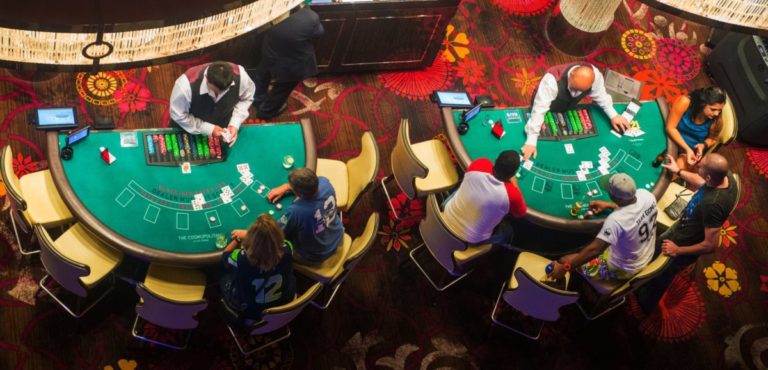
Every serious gambling commission incorporates anti-money laundering controls into the heart of its licensing framework, and I regard this one of the least recognized aspect of player safety. The commission enforces customer due diligence that adjusts to risk: standard verification for low-volume deposits, enhanced due diligence for politically exposed persons or high-velocity transactions, and immediate suspicious activity reporting to the jurisdiction’s financial intelligence unit. I’ve created AML workflows where the system marks a player whose betting pattern shifts from small pokies spins to maximum-bet table games within a single session, because that behavioural spike often suggests a stolen payment instrument. A commission with teeth conducts separate AML audits, sometimes employing former financial crime investigators to test whether the operator can actually detect layered structuring deposits designed to stay below a reporting threshold.
For Australians, who bank with institutions that enforce their own gambling blocks and transaction monitoring, the commission’s AML rigour establishes a second defensive layer. If a criminal syndicate attempted to wash funds through an unregulated casino, the absence of a commission would mean no obligation to verify source of funds and no paper trail for law enforcement. I always advise operators that the commission’s AML expectations often exceed local banking requirements, which is a good thing. Spinline Casino’s compliance team runs weekly reviews of large-value transactions and sends reports exactly as the commission stipulates, because I’ve seen firsthand how a single missed STR can spark a cascade of regulatory actions that cripple a business. The commission also tracks politically exposed person databases, global sanctions lists, and adverse media searches, integrating them into the player onboarding flow so that a flagged individual can’t even complete registration. This level of financial scrutiny keeps the entire ecosystem cleaner and matches Australia’s own strict AML regime under AUSTRAC.
The way Affiliate Partnerships Integrate into the Regulatory Framework
I frequently encounter the misconception that a gambling commission focuses solely on the operator, but the better regulators direct their attention deeply into the affiliate channel. A modern commission keeps the licensee strictly liable for the marketing actions of its affiliates, which means a single rogue comparison site can poison the operator’s compliance record. This vicarious liability is deliberate. It obliges operators to audit their partners continuously and to maintain a contractual right to terminate within 24 hours for any breach of advertising standards. I organize Spinline Casino’s affiliate agreements with exactly this lever, incorporating mandatory responsible gambling messaging, prohibitions on targeting self-excluded individuals, and a complete ban on advertising during live sports broadcasts if the commission’s code bans it. The audit clause enables us to request screenshots, analytics logs, and even raw creative files for any campaign bearing our brand.
The commission’s influence on affiliates also appears in bonus offer transparency. I’ll never approve a landing page that buries wagering requirements under a collapsed FAQ section, because a commission that conducts web sweeps will treat that as a misleading promotion. When I examine affiliate onboarding materials, the following items must be in place, per our commission’s guidelines:
- Full terms and conditions shown on the same page as the offer, with minimum deposit, wagering multiplier, and game contribution percentages presented above the fold.
- A explicit statement that the offer is intended for recreational play and a straight link to the operator’s responsible gambling tools.
- No use of imagery or language that implies gambling can solve financial problems, which is a red-flag violation in nearly every commission’s code.
- Geolocation blocks to prevent serving ads in jurisdictions where the licence is not recognised, a particularly important safeguard for Australian-facing affiliates given the patchwork of state and federal laws.
What I appreciate most about a commission that polices affiliates is the standardisation it brings. When every partner presents wagering requirements in the same format, the player can assess genuine value rather than being tricked by manipulative framing. The commission effectively becomes the quality-assurance layer for the marketing supply chain, and that’s a role it must not abandon. Spinline Casino’s affiliate programme thrives precisely because we consider the commission’s advertising rules as a minimum baseline, not a ceiling to be tested.

The Australian Context: What It Means for Spinline Casino Players
I speak with Australian players often, and the most common question is if an offshore licence really means anything real for them. My answer is consistently the same: the right commission, applied rigorously, converts into practical protections that are commonly stronger than what a purely domestic unregulated provider would offer. Australian law limits many forms of interactive gambling, but it does not criminalise an individual’s option to play at a properly licensed offshore operator. The key point is that the commission overseeing that operator works with the same rigour as the ACMA or a state-based liquor and gaming authority. I seek a commission that publishes its enforcement actions, demands segregated client funds, and mandates independent testing of every game’s RTP. When Spinline Casino obtained its licence, we deliberately avoided any jurisdiction that allowed us to self-certify game fairness or mix player money with working capital.
The banking sector in Australia introduces an additional layer of complexity which a competent commission can help navigate. Many Australian banks will flag or stop transactions to gambling sites if not the site meets certain compliance benchmarks. A regulator which maintains a public database and reacts quickly to queries from financial institutions could be the key between an effortless deposit experience and a blocked transaction that takes days to resolve. I suggest gamblers to hold onto a simple checklist:
- Check the licence number on the regulator’s website and look if any penalties are recorded against that registration.
- Verify the provider employs a separate client account for user funds, that is a mandatory condition of all trustworthy authority permits.
- Ensure the regulator provides a complimentary ADR service that doesn’t require a lawyer to use.
- Examine the casino’s privacy policy to determine if it references the commission’s data protection standards, as a legitimate license connects data management to regulatory oversight.
These procedures take under five minutes, yet they immediately separate the handful of trustworthy operations from the immense sea of unregulated risks. In my professional evaluation, the Spinline Casino experience for an Australian player is crafted to satisfy every one of these checklist points before the first deposit reaches the cashier. The commission’s framework does the heavy lifting behind the scenes, and the visible result is a platform where games behave as the maths dictates, withdrawals process within the advertised timeframe, and support staff are bound by an external code of conduct. That’s not a marketing claim. It’s a regulatory reality that any player can verify by spending two minutes on the commission’s licence portal. When a commission works as intended, the player never needs to contact it—but knowing the option exists changes the entire power dynamic between operator and consumer.